How Gutter Maintenance Protects Your Roof Deck
Welcome to another season of unpredictable weather in Crawford County. If you have owned a home here for any length of time, you already know that our climate is anything but mild. We experience everything from freezing, icy winters to aggressive spring storms that bring torrential downpours and high winds. When the weather turns severe, most homeowners naturally focus on the condition of their shingles. While having high-quality, impact-resistant shingles is undeniably critical for protecting your property, there is another essential component of your home's exterior that often goes overlooked until it is too late: your gutter system.
Gutters are often viewed merely as an aesthetic trim or a minor accessory to the roof, but they actually serve as your home's primary drainage system. They are the unsung heroes that quietly direct thousands of gallons of water safely away from your foundation, siding, and landscaping. However, their most critical job might just be protecting the very foundation of your roof itself—the roof deck.
When we talk about the overall health of your roofing system, we cannot separate the shingles from the drainage. They work together as a unified shield against the elements. Let's dive deep into exactly why maintaining your home's drainage is an absolute necessity for preserving the structural integrity of your roof deck, and how a little bit of proactive care can save you thousands of dollars in structural repairs.
The Hidden Danger: How Clogged Gutters Cause Roof Leaks
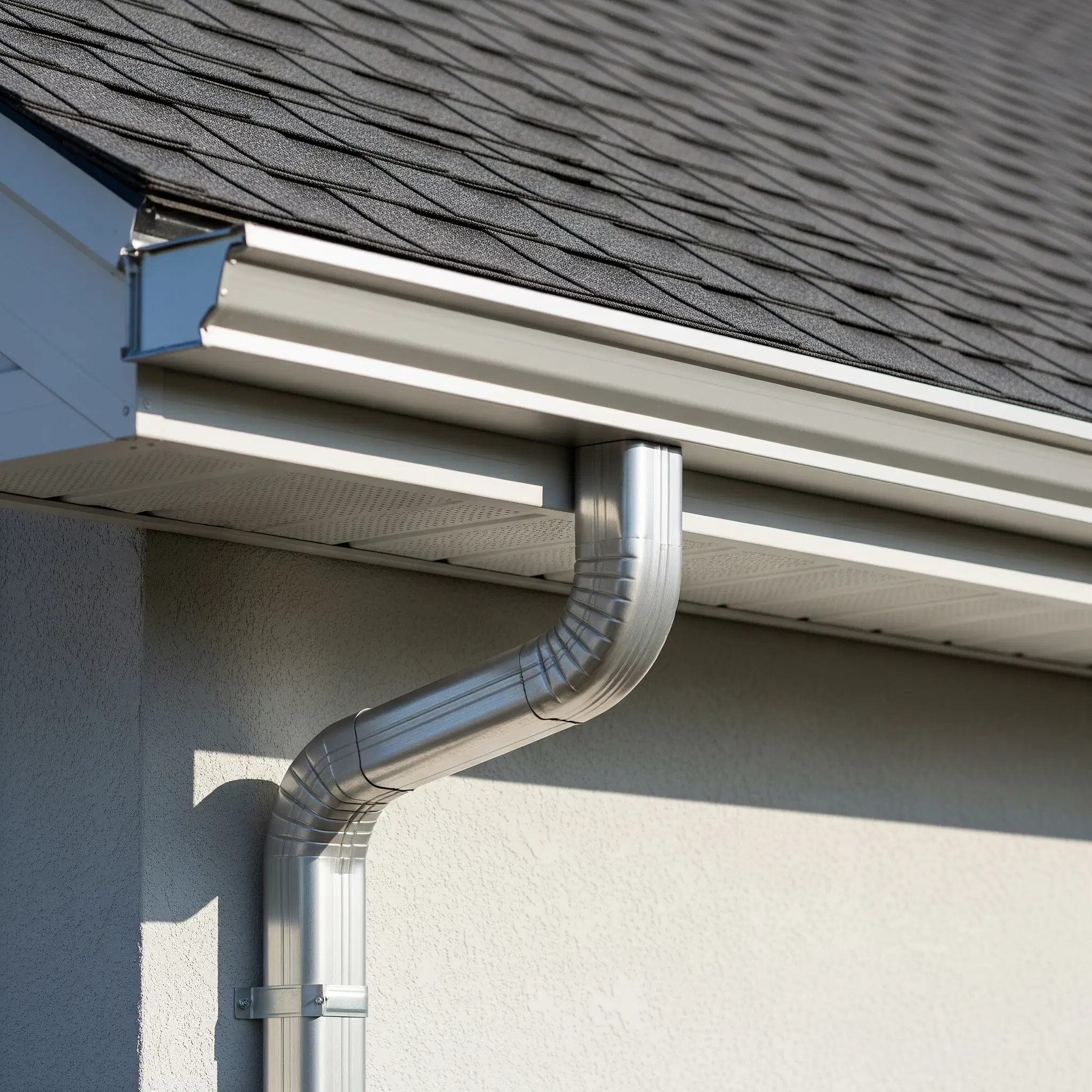
To understand how gutter maintenance protects your roof deck, we first need to look at the anatomy of your roof's edge. Your shingles are nailed to a layer of wooden boards known as the roof deck or decking. At the lower edge of this decking is the fascia board, which is the vertical board your gutters are mounted to. Finally, a metal flashing called a drip edge is installed under the edge of the shingles to direct water straight into the gutter trough.
When everything is clean and flowing freely, this system works perfectly. Rainwater rushes down the slope of the roof, washes over the drip edge, lands in the trough, and is carried away down the downspouts.
However, things take a dangerous turn when leaves, twigs, seed pods, and dirt accumulate and block the flow. Understanding how clogged gutters cause roof leaks is simple once you visualize the water's path. When the downspouts are blocked, the trough fills up during heavy spring storms. The water has nowhere to go but up and over the sides. While some water spills harmlessly (though messily) over the front edge onto your landscaping, a significant amount of it actually backs up behind the gutter system.
This pooling water pushes against the fascia board and works its way upward through capillary action. It slips underneath the metal drip edge and begins soaking the wooden roof deck directly beneath your shingles. Because this wood is trapped under waterproof shingles, it cannot easily dry out. Over time, this constant exposure to trapped moisture causes the wooden decking to rot, warp, and weaken. Eventually, the water breaches the final layers of underlayment, and you are left with a slow, hidden leak inside your attic or walls.

Signs Water is Backing Up Under Shingles
By the time water starts dripping from your living room ceiling, the damage to your roof deck is already extensive. The key to preserving your home is catching the warning signs before the structural wood is entirely compromised by rot.
Here are the most common signs water is backing up under shingles:
- Rotting or Discolored Fascia Boards: If the paint on the wood directly behind your gutters is peeling, blistering, or showing dark water stains, you have a backup problem. The wood is absorbing water that should be flowing away.
- Sagging or Pulling Troughs: Gutters full of standing water and wet debris become incredibly heavy. This excess weight pulls the system away from the fascia board, creating a gap where rainwater easily slips behind the system and attacks the exposed wood.
- Water Stains on the Soffit or Exterior Walls: If you notice brown or yellow water marks underneath the overhang of your roof (the soffit) or running down your siding, it is a clear indicator that water is bypassing the drainage system and seeping into the structure.
- Granule Buildup: While losing a few shingle granules is normal, finding thick piles of gravel-like sediment in your gutters can impede water flow, creating natural dams that force water back up under the roof line.
If you spot any of these indicators, it is crucial to address them promptly. Ignoring these signs inevitably leads to the need for a full deck replacement when you finally decide to get a new roof, which drastically increases the overall cost of the project.
The Value of Preventative Care and Local Expertise
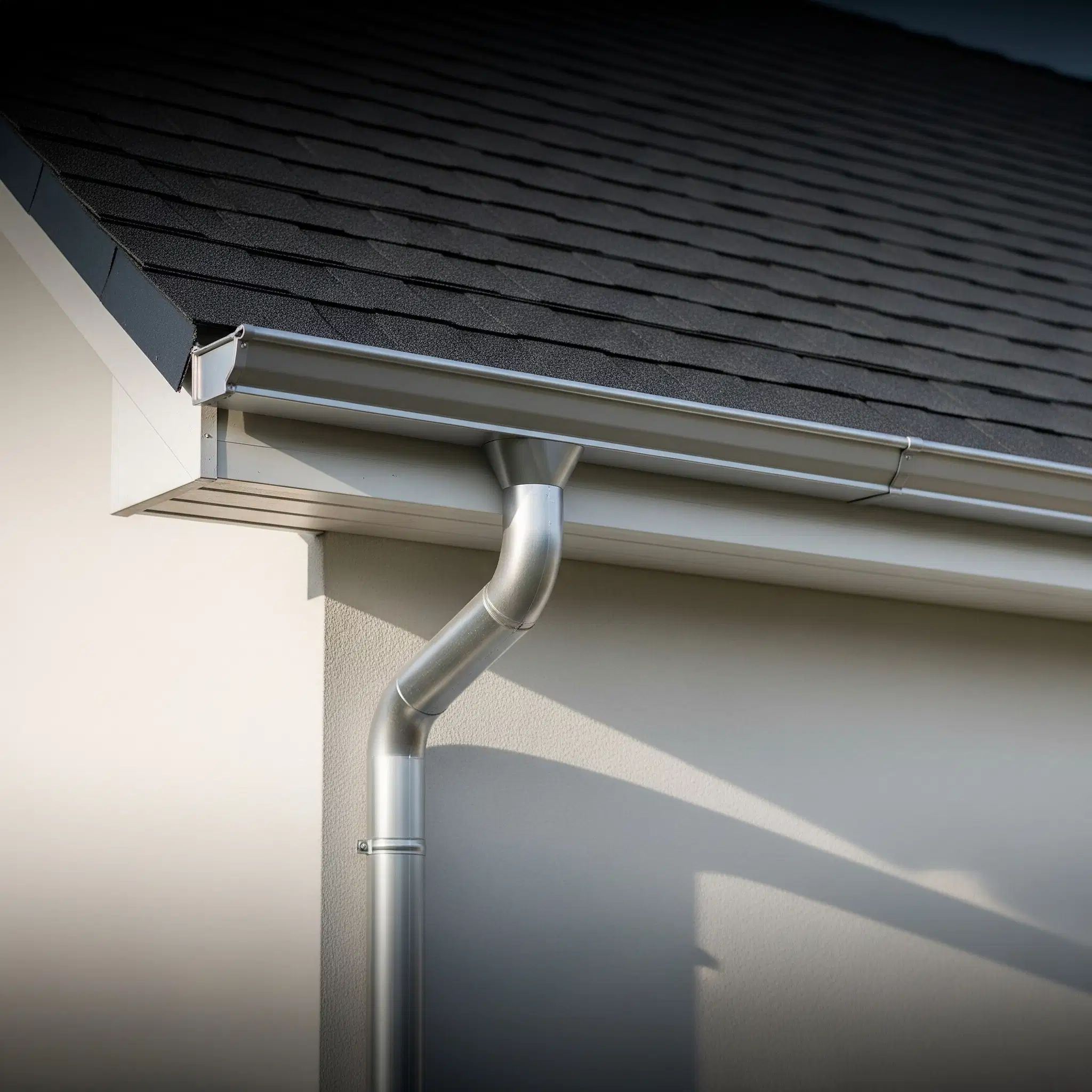
The best defense against deck rot and water intrusion is consistent, preventative residential roof and gutter maintenance. By ensuring your drainage system is cleared at least twice a year—especially after the leaves drop in the autumn and before the heavy storms hit in the spring—you keep the water flowing exactly where it should. Regular clearing prevents the heavy weight of wet debris from pulling your system away from the fascia, and it ensures that pooling water never has the chance to rot your decking.
When severe weather inevitably rolls through the SEK area, bringing straight-line winds and hail, having a locally trusted professional on your side is invaluable. Unfortunately, severe weather often attracts out-of-state storm chasers who flood the area looking to make a quick profit. These transient companies are notorious for slapping on cheap shingles without inspecting the underlying roof deck or ensuring that the drainage system is properly integrated. They often leave town long before the first signs of a leak appear, leaving you with no warranty support and a compromised roof.
Partnering with an established, locally rooted contractor means you get a comprehensive evaluation. A true local professional won't just look at the surface of the shingles; they will check the fascia, the decking, the ventilation, and the flow of the gutters to ensure your entire roofing system is prepared to handle the regional climate.
Protect Your Home with Midwest Roofing Solutions LLC
Your roof is a complex system, and every component relies on the others to function correctly. Don't let a simple blockage turn into a costly structural nightmare. By staying proactive with your maintenance, you are protecting one of your most significant investments.
If you suspect you have poor drainage or if you need to fix roof leaks caused by storm wear, the team at Midwest Roofing Solutions LLC is here to help. We are dedicated to providing transparent, honest assessments for homeowners throughout the Girard area and beyond. Whether you need an upgrade to your current gutters or are interested in our comprehensive residential roof maintenance plans, reach out to us today for a free, detailed estimate. Let us help you ensure your home is fully protected before the next major storm hits.